Online Slots Not on GamStop: The Licence Gap UK Players Should See Before They Deposit
 Available in GB
“Online slots not on GamStop” reads like a product category. It is not. It is a regulatory signal, and the two words the reader needs to grip first are *where the licence sits*. A slot site marketed as “not on GamStop” is telling you it is licensed somewhere outside the Gambling Commission’s reach, which means a UK player’s statutory protections do not travel with them. The phrases that frame this page (UKGC, point-of-consumption, stake limit, ADR, self-exclusion) all sit on that one fact.

This page ranks ten UKGC-licensed slot operators for September 8, 2026, works through what an offshore licence omits, and runs a single session-cost calculation on a £5 spin at 96.08% RTP so the reader sees the house edge in pounds rather than percentages. Every figure was checked against the UKGC public register, the Gambling Commission’s published guidance and the licence conditions cited below. Comparisons and bonus terms were verified against the operators’ own current offer pages where named.
(Data verified as of September 8, 2026 against the UKGC public register.)
Why “Not on GamStop” Means More Than You Think
The marketing of “not on GamStop” implies a feature. The mechanics say otherwise. GamStop is a UK-wide multi-operator self-exclusion scheme, mandatory for every Gambling Commission online operating licence since 31 March 2020. A single registration blocks access to every gambling site and app run by a business licensed in Great Britain, for a period the player chooses. The scheme’s own guidance is plain: once registered, you will be prevented from using any gambling websites and apps run by gambling businesses licensed in Great Britain, for a period of your choosing. The phrase “not on GamStop” is therefore not a selling point about the games, the bonuses or the speed of withdrawal. It is a signal that the site is licensed somewhere else, and that “somewhere else” is the entire subject of this section.
What GamStop Actually Is and How It Works
GamStop is the UK’s national online self-exclusion register. The Gambling Commission mandates it as a condition of every online operating licence it issues, which means every site with an Active UKGC entry participates by law. Players choose from four exclusion periods when they sign up: six months, one year, five years, or five years with auto-renewal. None can be cancelled early. A registration is meant to feel final because it is final.
The scheme’s coverage is the GB-licensed market only. A UK player who self-excludes is blocked from every UKGC-licensed site and app for the chosen period, and the block is enforced at the operator level rather than at the network or device level. That enforcement model is what “not on GamStop” sidesteps. An offshore-licensed site is not a participant in the scheme, has no obligation to honour it, and typically has no equivalent of its own.
What “Not on GamStop” Really Means for a UK Player
The phrase functions as a jurisdictional signal. UKGC-licensed sites are on GamStop by law; offshore-licensed sites are outside it by geography. A non-GamStop site is most often licensed under Curaçao, the Malta Gaming Authority (MGA) or the Anjouan regime, each of which sits outside the GB point-of-consumption framework. The consequences stack up:
- No GAMSTOP coverage, so a self-excluded UK player can still open an account.
- No UKGC complaints route. A dispute escalates to the offshore regulator (or does not), not to a UK-approved ADR.
- No guaranteed UK-approved ADR. Independent bodies such as IBAS or eCOGRA are not automatically available.
- Enforcement against the operator from the UK side is disruption-based (cease-and-desist, search-engine referrals, registrar and payment-provider work). The Commission does not currently hold statutory ISP or DNS blocking powers, so a site can keep operating while the Commission seeks to choke its reach.
None of this is the same as “unlicensed.” A Curaçao or MGA site carries a real licence in a real jurisdiction, and many do. What it does not carry is the UK framework, and the difference is the entire content of this page.
How to Choose a Non-GamStop Slot Site: The Five Criteria
A UK player who decides to step outside the UKGC-licensed market has to close the protective gaps themselves. The five checks below are the minimum:
- Licence. Which jurisdiction issued it? Is the operator’s full legal name visible? Can the licence entry be verified on the regulator’s own public register? A licence number that cannot be found is not a licence.
- Game fairness. Look for an RNG testing seal from a recognised lab and confirm the testing scope covers the specific games being played, not just the platform.
- Bonus terms, read side by side. Wagering multiples, maximum cashout caps, eligible games and validity windows decide what an offer is actually worth. The headline match percentage is the smallest part of the equation.
- Payment and withdrawal terms before depositing. What are the minimum deposit and maximum withdrawal thresholds? Are there processing windows? Are there fees? Are there any withdrawal methods the player cannot actually use?
- Safer-gambling tools outside GamStop. What deposit-limit, time-out and self-exclusion tools does the operator offer, and at what granularity? Are they mandatory, opt-in, or absent?
The UKGC-licensed benchmark against which those five checks are usually run is the one set out in the next section: stake limits, game-design rules, deposit prompts, ADR access and the 10× wagering cap.
The Legal Reality: What You Keep and What You Give Up
UK online slot law is built on a point-of-consumption framework. Play outside it, and every protection the framework carries falls away. This section inventories those protections one by one, so a reader can see exactly what an offshore licence does not replicate.
The UK Point-of-Consumption Framework
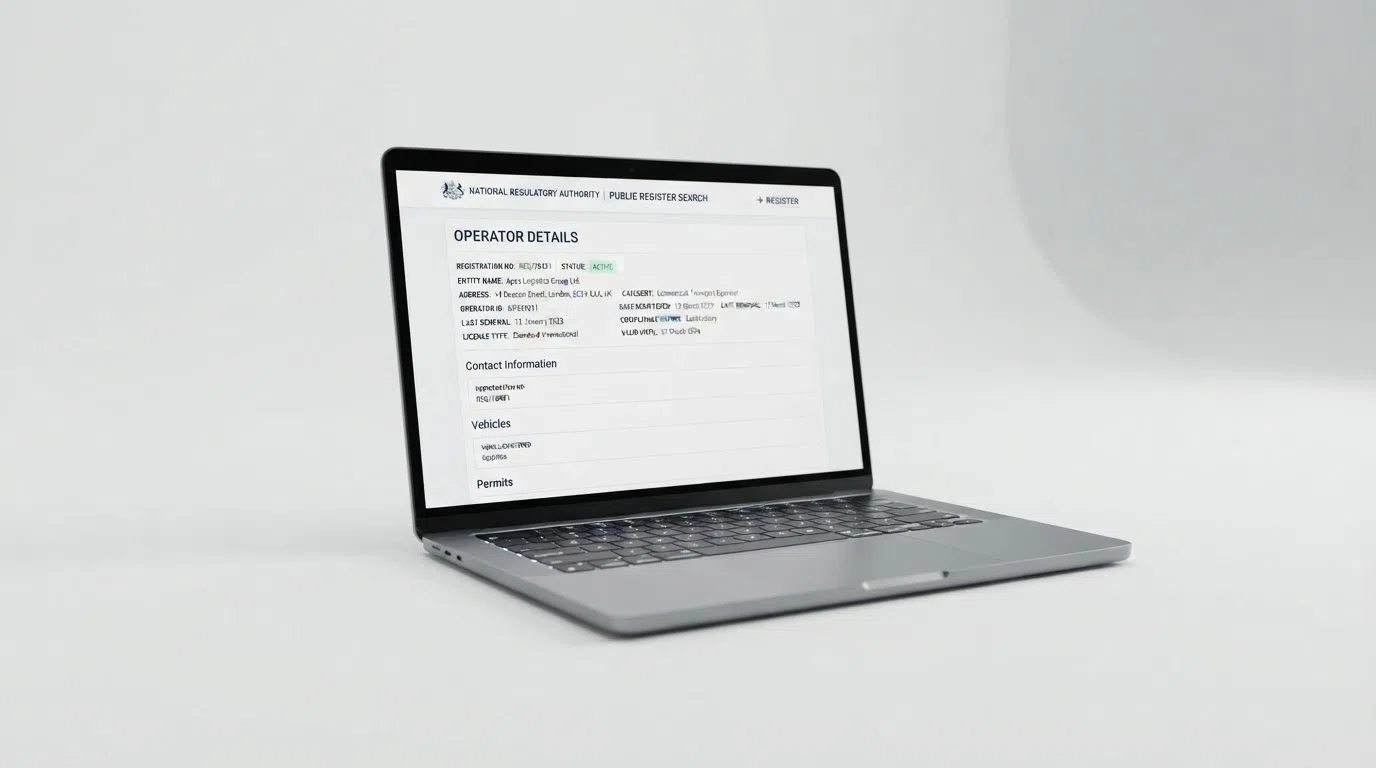
The Gambling Act 2005 set the original backbone. The Gambling (Licensing and Advertising) Act 2014 extended it to remote operators: any operator serving Great Britain customers, regardless of where it is based, needs a Gambling Commission licence. Northern Ireland sits on separate law and is outside the Commission’s remit, which matters because some operators pitch a “UK-facing” offer that is actually NI-facing only.
Operating without a GB licence while serving GB customers is a criminal offence under section 33 of the Gambling Act 2005: up to 51 weeks’ imprisonment, an unlimited fine, or both. The enforcement posture is disruption-based: cease-and-desist letters, search-engine referrals, registrar and payment-provider work. The Commission’s published enforcement data covers 208,088 actions against illegal online gambling operators between October 2024 and September 2025. The Commission can seek statutory ISP and DNS blocking powers; it does not currently hold them.
The 2014 Act is therefore the pivot on which every other rule in this section turns. A UKGC licence is not optional for any operator taking GB play, and the protections that licence mandates are not optional for the licence holder.
What a UKGC Licence Guarantees — and What It Doesn’t
The list below is the UK-regulated baseline against which every other slot offer in this market is measured.
The UK-regulated baseline against which every other slot offer in this market is measured includes several core protections. Statutory online-slot stake limits are set at £5 per game cycle for players aged 25 and over (from 9 April 2025) and £2 per game cycle for players aged 18 to 24 (from 21 May 2025), both under SI 2025/215. Game-design rules prohibit autoplay, mandate a minimum spin speed of 2.5 seconds, ban features that speed up play and losses disguised as wins, permanently ban reverse withdrawals, and require a session display of time played and net position. Every UKGC-licensed operator must prompt a customer to set a financial limit before the first deposit; decreases take effect immediately, and from 30 September 2026, RTS 12 standardises a gross deposit limit across the market. Bonus rules cap wagering requirements at 10× the bonus amount, and mixed-product promotions (such as a casino bonus conditioned on a sports bet) are banned under LCCP Social Responsibility Code 5.1.1. Payment rules have banned credit cards for gambling since 14 April 2020, and because identity is verified before the first deposit or first gamble, anonymous play is impossible at a licensed GB site. Finally, a UKGC-approved alternative dispute resolution provider is required for all operators.
What a UKGC licence does not do: it sets no statutory nationwide deposit or loss cap. Player-set limits exist, but no operator is forced to apply a default ceiling beyond what the player has chosen. There is also no guaranteed outcome to a complaint, only the ADR process itself.
The figures above translate into session cost in plain pounds. Take the £5 stake ceiling for a player aged 25 and over, a session of 100 spins on a 96.08% RTP slot such as Starburst, and the expected loss works out to £5 × 100 × (1 − 0.9608) = £19.60. That is the cost of a 100-spin session before any bonus or feature play, under the assumption that only the stake is wagered. The calculation is an average over many spins, not a guaranteed outcome for any single session, and it leaves a sharp reminder: every £5 stake returns £4.80 in expectation, and the other £0.20 is the house edge, sitting quietly underneath the spin animation.
The three jurisdictions most non-GamStop slot sites call home carry different rules and different gaps. The MGA requires operators to offer responsible-gambling tools, but there is no single scheme covering every Malta site the way GAMSTOP covers UK ones; a self-excluded UK player can still open an MGA-licensed account. Curaçao is a common non-GamStop jurisdiction with lighter player-protection requirements and no UK-style statutory stake caps—the licence is real, but the framework around it is thinner. Anjouan and other emerging offshore regimes offer newer frameworks with less regulatory track record, and player-protection obligations vary and have not been tested at the volume of the MGA or Curaçao markets.
The universal offshore gap is the same across all three: no GAMSTOP coverage, no UKGC complaints route, no guaranteed UK-approved ADR. A UK player who wants any of those protections needs to be at a UKGC-licensed site, and the operator ranking below is built around exactly that condition.
Ten UKGC-Licensed Slot Operators Ranked for 2026
The ten operators below are all licensed by the Gambling Commission and appear on its public register. Every one of them carries the same statutory protections: GAMSTOP coverage, age-banded stake limits, the 10× wagering cap, the deposit-limit prompt, and a UK-approved ADR route. The table compares them on what research could verify about each.
| Operator | UKGC Licence / Account | Key Game Providers | Wagering Cap |
|---|---|---|---|
| Bet365 | Hillside (UK Gaming) ENC, Account 55149 — Active | NetEnt, Pragmatic Play, Playtech, Eyecon, Microgaming | 10× |
| William Hill | WHG (International) Limited, Account 39225 — Active | NetEnt, Pragmatic Play, Eyecon, Playtech | 10× |
| Sky Bet | SBG Sports Limited, licence 67370 | NetEnt, Pragmatic Play, Eyecon (via Sky Vegas) | 10× |
| Ladbrokes | Ladbrokes Betting & Gaming, Account 1611; Casino Remote 001611-R-319348-017 Active from 1 Nov 2014 | NetEnt, Pragmatic Play, Eyecon, Playtech | 10× |
| Paddy Power | PPB Entertainment Limited, Account 39426 — Active | NetEnt, Pragmatic Play, Eyecon | 10× |
| Coral | LC International Limited, Account 54743 — Active | NetEnt, Pragmatic Play, Eyecon | 10× |
| Betfred | Betfred Technology Limited, Account 49528 — Active | NetEnt, Pragmatic Play, Eyecon | 10× |
| Gala Bingo | LC International Limited, Account 54743 — Active | Eyecon, NetEnt, Pragmatic Play | 10× |
| Sky Vegas | Bonne Terre Ltd / Sky Betting & Gaming — GB-licensed | NetEnt, Pragmatic Play, Eyecon | 10× (0× on free spins) |
| Betfair | PPB Entertainment Limited, Account 39426 (trading name betfair — Active); Betfair Limited, Account 2062 | NetEnt, Pragmatic Play, Eyecon | 10× |
The standout sits at the foot of the wagering column. Sky Vegas carries up to 200 free spins on a £10 deposit-and-stake, plus 50 no-deposit spins, with zero wagering on free-spin winnings. The rest of the market sits at the 10× statutory ceiling, which is the lowest the LCCP allows and still well above zero.
Bet365
The UK’s largest sportsbook brand carries a deep casino lobby with slots from NetEnt, Pragmatic Play, Playtech, Eyecon and Microgaming. The provider mix spans five major studios, which is wider than most peers, and the welcome offer varies by promotion window, so the headline figure is not fixed. The 10× wagering cap applies to any bonus promotion on the site, the deposit-limit prompt fires before the first deposit, and a UKGC-approved ADR route is in place. A player who wants the broadest studio spread under one UKGC licence finds it here.
William Hill
WHG (International) Limited, Account 39225, holds the licence; William Hill is the trading name. The slot lobby draws on NetEnt, Pragmatic Play, Eyecon and Playtech, and bonus terms are capped at 10× under UK rules. The deposit-limit prompt and the safer-gambling toolkit are mandatory, and the ADR route goes through a UK-approved provider. William Hill’s online casino is best read as a high-street name with a regulated online arm rather than a casino-first brand, which suits players who came for the sportsbook and stayed for the slots.
Sky Bet
SBG Sports Limited, licence number 67370. Sky Bet itself runs a sports-led product; the slot action sits at the sister site Sky Vegas, which carries up to 200 free spins on a £10 deposit-and-stake and 50 no-deposit spins. The casino-side mechanics are governed by the same group licence and the same UK 10× ceiling. A Sky Bet customer who wants the casino welcome offer moves across to Sky Vegas and back, and the cross-brand setup is the cleanest in the Sky Betting & Gaming group.
Ladbrokes
Account 1611, Casino Remote 001611-R-319348-017 Active from 1 November 2014. The remote licence has been live for over a decade, which is one of the longer track records in the market. NetEnt, Pragmatic Play, Eyecon and Playtech supply the slot catalogue. Bonus terms sit at the 10× statutory ceiling, the deposit-limit prompt fires before the first deposit, and RTS 12 compliance applies once the standardisation date lands. A Ladbrokes customer is buying the licence track record and the high-street familiarity as much as the slot content.
Paddy Power
PPB Entertainment Limited, Account 39426, covers both Paddy Power and Betfair under one UKGC registration, with both trading names shown as Active. The slot catalogue draws on NetEnt, Pragmatic Play and Eyecon. Bonus terms under the UK 10× cap, deposit-limit prompt before first deposit, and a UKGC-approved ADR route. The Paddy Power casino is best read as the casino arm of a brand most players came in through for the sportsbook.
Coral
LC International Limited, Account 54743, covers both Coral and Gala Bingo. The slot range draws on NetEnt, Pragmatic Play and Eyecon, and the full regulated-safeguard package applies. Bonus terms sit at the 10× ceiling, the deposit-limit prompt fires before first deposit, RTS 12 applies once live, and a UKGC-approved ADR is in place. Coral is the casino-first arm of a multi-brand licence, and the breadth of that licence is the selling point for a player who values group-level stability.
Betfred
Betfred Technology Limited, Account 49528, holds the licence, with Betfred trading entries visible under the wider group. The slot lobby spans NetEnt, Pragmatic Play and Eyecon. Bonus terms sit at the 10× ceiling under UK rules, the deposit-limit prompt is mandatory, the safer-gambling toolkit is in place, and a UKGC-approved ADR route runs through the licence. A Betfred casino customer is buying the same group-level stability as at Coral, with the slots positioned as a complement to the sportsbook rather than the main event.
Gala Bingo
Gala Bingo runs under LC International Limited, Account 54743, the same multi-brand licence that covers Coral. The slot lobby is best known for Eyecon’s Fluffy Favourites, with NetEnt and Pragmatic Play filling out the catalogue. Bonus terms sit at the 10× ceiling, the deposit-limit prompt fires before first deposit, and the ADR route goes through a UK-approved provider. The brand reads as a bingo site with a slot arm, and Fluffy Favourites is the slot that pulls bingo customers across to the reels.
Sky Vegas
The dedicated casino brand under the Sky Betting & Gaming group. Up to 200 free spins on a first deposit-and-stake of £10, plus 50 no-deposit spins, with zero wagering on free-spin winnings, a 7-day free-spin expiry, and a 30-day registration window to meet the £10 stake requirement. The UK-wide 10× ceiling applies to any other bonus promotion, but the headline welcome offer sits at 0×, which is the lowest in the table. Providers include NetEnt, Pragmatic Play and Eyecon. Sky Vegas is the standout for a player who reads bonus terms closely and wants the wagering multiplier to be zero.
Betfair
The exchange brand’s casino side runs under PPB Entertainment Limited, Account 39426 (trading name betfair Active), with Betfair Limited also appearing as Account 2062. The slot catalogue draws on the same NetEnt, Pragmatic Play and Eyecon provider mix as Paddy Power, which is unsurprising given the shared licence. Bonus terms under the UK 10× cap, deposit-limit prompt before first deposit, and a UKGC-approved ADR route. A Betfair casino customer is buying the casino arm of an exchange brand, with the regulatory framework identical to Paddy Power.
Why Your 2026 Bonus Is Smaller Than It Looks
UK-licensed slot bonuses now carry a statutory 10× wagering cap, mixed-product promotions are banned, and the headline figure rarely tells the full story. Understanding these constraints is essential to identifying which offers deliver real play-time and which are structured to trap a player in turnover requirements.
Welcome Offers and Deposit Matches
A deposit-match bonus looks like free money. It is not. The real cost sits in two places: the wagering multiple, which decides how much turnover the player must run before withdrawing, and the validity window, which decides how long that turnover must be run in. Under the UK 10× cap, a £100 bonus requires at most £1,000 in turnover before withdrawal. Offshore sites are not bound by that cap and can set higher multiples, which is one of the reasons their welcome offers look larger on the page.
Sky Vegas sits outside this pattern. Up to 200 free spins on a £10 stake, with no wagering on the winnings, makes the headline figure and the real figure the same number. Most other operators in the ranking sit at or near the 10× ceiling, which means the welcome bonus is best read as a play-time extender rather than a profit mechanism.
Free Spins: With and Without Deposit
Free-spin offers split into two camps, and the difference matters. Deposit-gated free spins carry a stake requirement, usually a flat £10, and unlock the spins on completion. Sky Vegas’s model is the clearest example: stake £10, get up to 200 spins, no wagering on winnings, 7-day expiry. No-deposit free spins let a player try the site before committing money, and Sky Vegas shows 50 spins with no deposit required, again with no wagering on the winnings.
The UK cap governs any bonus promotion that includes a free-spin bundle, unless the operator chooses a lower figure. The cashout cap, where one exists, is the figure that decides whether a free-spin win can actually be withdrawn. Research does not surface a specific cashout cap for the featured offers, so a player should check the operator’s own terms before assuming any free-spin win is uncapped.
Wagering Requirements: The 10× Cap and What It Costs
The UK formula is straightforward: turnover required = bonus amount × wagering multiple, capped at 10×. A £50 bonus requires at most £500 in play before withdrawal. The Sky Vegas 0× free-spins model is the most player-friendly structure in the featured set, because the wagering multiple on the free-spin winnings is zero and the turnover requirement is therefore zero. Every other operator in the table sits at the 10× ceiling, which is the lowest the LCCP allows.
Offshore contrast is worth naming. A Curaçao- or Anjouan-licensed site is not bound by the UK 10× cap and can set wagering multiples at 30×, 40× or higher. A bonus that looks four times larger in headline pounds can require twelve times the turnover to clear, which is the most common way a non-GamStop “bigger offer” costs a player more than a UKGC one. The fine print on validity windows and cashout ceilings all shrinks the real value further. Research carries no per-site wagering detail beyond the UK cap, so the safe move is to read every bonus term before claiming.
Getting Money In and Out: Payments, Crypto and Payout Speed
UK-licensed slot sites ban credit cards and require identity verification before the first deposit. Non-GamStop alternatives may accept crypto and offer higher limits, but they carry none of those safeguards. This section works through the payment methods UK players search for, what the UK rules require, and where offshore sites diverge.
Debit Cards, E-Wallets and Pay by Phone
Debit cards are the default at UKGC-licensed operators. Visa and Mastercard are accepted across the featured set, and credit cards have been banned for gambling since 14 April 2020 under LCCP 6.1.2. The distinction matters: a debit card takes money the player already has, a credit card takes money the player has not yet earned, and the UK regulator decided the second was unsafe enough to prohibit outright.
E-wallets appear where the operator chooses to integrate them. Skrill, Neteller and PayPal are the names players search for most, and availability varies by brand page. Pay-by-phone options, including Boku and pay-by-mobile services, let a player deposit via their mobile bill, which is convenient but capped at low amounts by the carrier. Paysafecard is a prepaid voucher that decouples the deposit from any bank account. Research does not surface per-operator availability for any of these, so the practical move is to check the operator’s cashier page before assuming a method is supported.
The mandatory step at every UKGC-licensed site is identity verification. Identity is checked before the first deposit or first gamble, which means anonymous play is impossible at a licensed GB site. The check is a regulatory requirement, not a feature, and the friction it adds is the price of the protections that come with it.
Crypto Deposits and Bitcoin Withdrawals
Crypto is the payment rail most associated with non-GamStop slot sites. Bitcoin, Ethereum and USDT are the three currencies players search for, and crypto deposits and withdrawals are the reason some players step outside the UKGC-licensed market at all. The speed advantage is real: crypto withdrawals are fast in practice, often faster than any bank or e-wallet route. The deposit and withdrawal limits are typically higher than at UKGC sites, because the operator is not constrained by a UK regulator’s safer-gambling framework.
The trade-off is the protective framework, not the technology. A UKGC site verifies identity before the first deposit, so a withdrawal can only go to a verified account holder. An offshore site does not run that check, which means a withdrawal dispute has no UKGC complaints route and no guaranteed UK-approved ADR. Network fees apply on blockchain transactions, and a player should factor them in rather than treat the headline crypto amount as the net amount.
Withdrawal Speed and Payout Limits
Payout speed is one of the sharpest differences between UKGC-licensed and non-GamStop slot sites. At a UKGC site, identity is verified before first deposit or first gamble, so a withdrawal goes to a verified account holder and the payout window is set by the operator’s own processing time. Reverse withdrawals are permanently banned, which means a requested payout cannot be cancelled and gambled again. That rule is permanent at every UKGC-licensed site, and it is one of the clearest player-protection rules in the framework.
At a non-GamStop site, payout speed is faster on crypto rails but slower on traditional ones, and the operator’s own terms set the processing window with no UK regulatory floor. Withdrawal caps vary by operator and payment method. Research carries no specific offshore withdrawal caps, so a player should read the operator’s own terms before depositing rather than assume a high limit. The fastest route is rarely the safest, and the choice between speed and protection is the trade-off a non-GamStop site asks the player to make on their own.
Why Mobile Slots Don’t Need an App in 2026
Every slot site in this ranking runs in a mobile browser. Responsive design has made the dedicated casino app optional, and in some cases the browser experience is sharper than the installed one. The slot lobby, the cashier, the safer-gambling tools and the bonus-claim flow all work through a mobile browser without a download, and the only reason to install a casino app is push notifications, which not every player wants.
The UKGC rules still apply on mobile. The 2.5-second minimum spin speed, the age-banded stake limits and the session-display requirement are in force at GB-licensed sites regardless of whether the player is on a desktop, a tablet or a phone. An app that ships from a UKGC-licensed operator carries the same protections as the browser version; an app that ships from an offshore operator carries none of them. The device does not change the licence, and the licence is what this page is about.
The Slot Studios, Mechanics and Titles That Matter in 2026
NetEnt, Pragmatic Play, Eyecon and Microgaming supply the reels at every operator in this ranking. The following breakdown examines the studio strengths, core game mechanics, and specific slot titles that define this market, providing a clear reference for players navigating these catalogues.

The Providers Behind the Reels
The provider roster is the real catalogue. NetEnt is named in every featured operator’s provider list and is the studio behind Starburst, the slot most players meet first. Pragmatic Play is also named across the full set and is the studio behind a wide range of high-volatility titles. Eyecon is the studio behind Fluffy Favourites, a flagship at Gala Bingo and a fixture at every Eyecon-equipped site. Microgaming appears at Bet365, and Playtech at Bet365, William Hill and Ladbrokes.
Other studio names surface in the search demand: Thunderkick, Playson, Merkur, Barcrest and Evolution Gaming for live tables. Research does not surface per-operator availability for these, so they are best read as studio names a player might search for rather than confirmed entries on every provider list. The point of the provider roster is that it is verifiable: a slot site’s provider list is a public claim, and a UKGC-licensed site is audited against it.
Megaways, Bonus Buy and the Mechanics Worth Knowing
Two slot mechanics dominate player search interest. Megaways is the variable-payline mechanic developed by Big Time Gaming, where each spin carries a different number of ways to win across the reels, often into the tens or hundreds of thousands. Bonus-buy is the mechanic that lets a player purchase direct entry to the bonus round, skipping the base game entirely. Both are popular with players, and both are constrained by the UKGC game-design rules: features that speed up play are banned, which means a bonus-buy at a UKGC site is not the same product as a bonus-buy at an offshore site.
Fishing slots are a sub-genre players search for by name, typically with a low-volatility structure and a target-based bonus round. Research does not surface a specific fishing title, so the practical move is to check the operator’s slot lobby rather than assume any particular title is present. The UKGC game-design rules sit across all of these mechanics: 2.5-second minimum spin speed, no autoplay, no features that speed up play, and the full session-display requirement. The mechanics are best read as player-facing features whose availability is shaped by the licence behind them.
Starburst, Fluffy Favourites and the Titles Players Search For
Two slot titles appear by name across the search cluster, and both are worth a side-by-side read.
| Slot Title | RTP | Provider | Volatility |
|---|---|---|---|
| Starburst | 96.08% | NetEnt | — |
| Fluffy Favourites | 95.39% | Eyecon | High |
Starburst sits at 96.08% RTP with a max payout of 800× bet. Fluffy Favourites is tabulated at 95.39% RTP, with high volatility and a max win shown at 5,000× bet on a 5×3, 25-line grid. The RTP gap is small per spin: a £1 wager returns £0.9608 in expectation on Starburst against £0.9539 on Fluffy Favourites, a difference of less than a penny on the pound. Over a long session the gap accumulates, and high volatility sharpens the spread further by widening the gap between short-term outcomes and the long-run average.
New Non-GamStop Slot Sites: What a Fresh Launch Brings
A newly launched non-GamStop slot site can carry exclusive titles and fresh bonus terms. The licence is the first thing to check, and most new offshore sites launch under lighter regulatory frameworks. A new casino is expected to bring a new slot release, a fresh welcome offer, and a set of bonus terms that may be more generous than the established market. Research does not surface a specific new-site or new-title detail, so the practical frame is qualitative: any new site should be checked on its licence jurisdiction, its operator identity, its payment methods and its withdrawal terms before signing up.
The trade-off is the absence of a track record. A newly launched site has no history to inspect, no customer-base pattern to read, and no published payout-speed data to compare. The licence is the only verifiable piece of information at launch, and it is the one a player should read first. The UKGC-licensed benchmark set out in the earlier sections is the right reference point: every protection listed there is what a non-GamStop new launch does not carry unless it has explicitly built it in.
Responsible Gambling: Tools That Actually Help
GamStop is one tool among many. Players seeking to manage their play can leverage several self-exclusion, deposit-limit, and reality-check options, as well as specialised help services, regardless of whether they choose a UKGC-licensed operator or an offshore alternative.
Self-Exclusion Beyond GamStop
GamStop registration covers every GB-licensed gambling site for a chosen period, from six months to five years, and cannot be cancelled early. A self-excluded UK player cannot open an account at any UKGC-licensed operator for the duration. That is the strict version of the rule, and it is the one GamStop enforces.
At a non-GamStop site, no equivalent scheme applies. A player must check each site’s own self-exclusion tools individually, and the MGA-licensed approach is the closest analogue: an MGA licence requires operators to offer responsible-gambling tools, but there is no single scheme covering every Malta site the way GAMSTOP covers UK ones. Practical complements that work regardless of where the player plays include bank gambling blocks (most UK high-street banks offer a gambling-payment block) and device-level blocking software such as BetBlocker. Both tools sit outside any operator’s own framework, which is what makes them useful for players who want a layer that does not depend on the operator.
Deposit Limits, Reality Checks and Time-Outs
The UKGC mandates a deposit-limit prompt before the first deposit at every licensed operator, and any decrease in a player-set limit takes effect immediately. From 30 September 2026, RTS 12 standardises a gross deposit limit across the market, so the prompt’s underlying ceiling is no longer operator-by-operator. Reality checks and a session display of time played and net position are required at every UKGC-licensed site, which means a player cannot avoid seeing how long they have been playing or how the session is going.
Time-outs are a cooling-off tool that locks the account temporarily without the permanence of self-exclusion. A player who wants a short break from a single site can take a time-out rather than a full self-exclusion. Research does not surface a specific duration, so the practical frame is operator-by-operator. At non-GamStop sites, deposit limits, reality checks and time-outs may be offered, may be partial, or may be absent entirely. The non-GamStop gap is that no regulatory requirement forces the operator to provide any of them.
Where to Get Help: Helplines, Clinics and Blockers
UK gambling-harm services are running at record levels. GamCare’s National Gambling Helpline made 996 referrals to treatment and peer-based support services in January 2026, a 48% increase year-on-year from January 2025. GambleAware reported 11,960 clients treated by the National Gambling Support Network across Great Britain between April 2024 and March 2025, an 11% increase on the previous year’s 10,754. NHS England’s Adult Psychiatric Morbidity Survey for 2023–24 reports 0.4% of adults experiencing problem gambling on the PGSI 8+ threshold and 1.6% at moderate risk on the PGSI 3+ threshold.
Practical blocking tools are available regardless of where a player plays. Bank gambling blocks let a UK player ask their bank to block gambling transactions across all operators. Device-level blocking software runs at the operating-system layer and stops gambling sites and apps from loading. NHS gambling-harm clinics operate across England. The GamCare National Gambling Helpline is open to anyone affected by gambling harm in Great Britain, including the families of players. None of these tools depend on the operator being UKGC-licensed, which is why they are worth listing regardless of the slot site a reader ends up on.
How We Selected and Ranked These Operators
The ten operators in this comparison were selected from the UKGC public register and ranked on game-provider range, bonus-term transparency and the strength of player-protection obligations. No weighting was applied beyond what the regulatory framework itself mandates.
Every operator was checked against the Gambling Commission public register. Only those with an Active entry were included, and licence numbers were confirmed for several, including Ladbrokes (Account 1611, Casino Remote 001611-R-319348-017 Active from 1 November 2014) and Sky Bet (licence 67370). Not every operator’s exact UKGC account number was confirmed in this run, and where only a trading-name status was visible the entry is written as a register check rather than a complete numeric verification.
Game-provider rosters were verified against operator ecosystem summaries; per-title availability varies by brand page and promotion window. Bonus terms were assessed against the UK statutory framework (LCCP SR Code 5.1.1 — 10× wagering cap, mixed-product promotion ban). Specific welcome-offer detail varies by promotion window and was not the sole ranking factor. Safer-gambling obligations (deposit-limit prompt, RTS 12 compliance, reality checks, ADR access) are mandatory for every UKGC licence holder and apply uniformly to all ten operators in this ranking.
The result is a comparison where every entry meets the same regulatory floor, and the differences between entries are about studio breadth, welcome-offer structure and licence track record rather than about who has safer-gambling tools and who does not.
Should You Play at a Non-GamStop Slot Site? The Safer Choice Is the Licensed Market
The safest slot session for a UK player sits inside the GamStop-covered, UKGC-licensed market. The statutory stake limits (£5 for 25+, £2 for 18–24), the 2.5-second minimum spin speed, the autoplay ban, the deposit-limit prompt before first deposit and the UK-approved ADR route are protections no offshore licence replicates. The ten operators in this ranking carry all of them.
The non-GamStop alternative, an offshore-licensed site under Curaçao, MGA or Anjouan, trades every one of those protections for crypto payments, higher limits and bonus terms outside the UK 10× cap. What it does not trade is the absence of consequence: no UKGC complaints route, no GAMSTOP coverage, no guaranteed ADR. A UK player who chooses that path should know exactly what they have given up before they deposit the first pound.
The decision framework is short. Check the licence first, against the regulator’s own public register. Compare the bonus terms: wagering multiple, validity window, cashout cap. Verify the payment and withdrawal policy before depositing. Use the safer-gambling tools available whether the site is UKGC-licensed or not, and reach for the bank block or the device-level blocker if the operator’s own tools are thin. The page’s central finding is this: the gap between a UKGC-licensed slot site and a non-GamStop one is not about the slots themselves. It is about the protections that sit behind every spin, and those protections are worth more than a bonus headline.
Frequently Asked Questions
Are online slots not on GamStop legal for UK players?
Playing at a non-GamStop site is not in itself a criminal offence for a UK player, but the site is almost certainly operating outside the GB point-of-consumption framework. Under section 33 of the Gambling Act 2005, providing gambling to GB customers without a UKGC licence is a criminal offence carrying up to 51 weeks’ imprisonment and an unlimited fine. A UKGC-licensed site is the legal route; everything else is a regulatory gap.
What protections do I lose if I play slots at a non-GamStop casino instead of a UKGC-licensed site?
The full UKGC suite: GAMSTOP coverage, the age-banded stake limits (£5 for 25+, £2 for 18–24), the 10× wagering cap, the deposit-limit prompt, the session display requirement, the permanent reverse-withdrawal ban, and access to a UK-approved ADR provider. None of these are automatically replicated by Curaçao, MGA or Anjouan licences, and the absence of a UKGC complaints route means a dispute escalates offshore.
What bonuses and free spins are available at non-GamStop slot sites in 2026, and how do wagering requirements work?
Headline offers are often larger offshore because the wagering multiples can be set higher than the UK 10× cap. A bonus that looks four times larger in pounds can require twelve times the turnover to clear, which is the most common way a non-GamStop welcome offer costs more than it returns. Sky Vegas’s 200 free spins on a £10 stake with 0× wagering is the clearest UKGC-licensed counter-example.
Which payment methods can UK players use to deposit at non-GamStop slot sites, including pay by phone and PayPal?
UKGC-licensed sites accept debit cards, e-wallets (Skrill, Neteller, PayPal where integrated), pay-by-phone (Boku) and Paysafecard, with identity verified before first deposit. Non-GamStop offshore sites add crypto (BTC, ETH, USDT) and may relax verification, but lose the UKGC complaints route and the ADR access. Credit cards have been banned for UK gambling since 14 April 2020.
Are crypto slots not on GamStop safe, and how fast are Bitcoin withdrawals?
Crypto withdrawals are fast in practice, often faster than bank or e-wallet rails, with higher deposit and withdrawal limits and blockchain network fees. The safety question is about the operator, not the technology. An offshore crypto site carries no UKGC complaints route and no guaranteed UK ADR, while a UKGC-licensed site that accepts crypto (where any does) carries the full regulated framework.
What are the RTP and volatility of Starburst and Fluffy Favourites?
Starburst runs at 96.08% RTP with a max payout of 800× bet. Fluffy Favourites is tabulated at 95.39% RTP with high volatility and a max win of 5,000× bet on a 5×3, 25-line grid. The RTP gap is less than a penny on the pound per spin, but high volatility widens the spread between short-term outcomes and the long-run average.
Account – nodeposit-casinobonuses-uk
Content created by the «nodeposit-casinobonuses-uk» team